


 日本語
日本語  Deutsch
  English
  Español
  Français
  Português
Fuel for Strength, Drive, and Staying Power
There’s a quiet truth most men learn with age: strength isn’t just built in the gym. It’s built in the kitchen, reinforced by habits, and protected by restraint.
Testosterone sits at the center of this equation. It influences muscle, energy, libido, mood, and the steady confidence that lets a man carry responsibility without burning out. While modern life throws plenty of obstacles in the way—stress, poor sleep, overprocessed food—what you put on your plate still matters more than most headlines suggest.
This isn’t about shortcuts or miracle foods. Testosterone doesn’t respond well to desperation. It responds to consistency, nourishment, and signals that the body is safe, fed, and ready for work.
Below are ten foods that have earned their reputation among athletes, outdoorsmen, and men who prefer steady strength over fragile intensity. Each supports testosterone through known nutritional pathways, without hype or gimmicks. No prescriptions here—just food that’s been carrying men for generations.
Testosterone-Supporting Foods at a Glance
| Food | Key Nutrient | Primary Benefit |
|---|---|---|
| Eggs | Cholesterol, Vitamin D | Hormone production support |
| Grass-Fed Beef | Zinc, Iron | Muscle and testosterone synthesis |
| Fatty Fish | Omega-3s, Vitamin D | Hormone signaling and recovery |
Quick Start: Testosterone-Supporting Nutrition
- Focus on: Whole foods, fats, zinc-rich proteins
- Limit: Ultra-processed foods, chronic calorie restriction
- Do: Eat consistently and recover properly
- Don’t: Chase extremes or miracle foods
1. Eggs (Whole, Not Just Whites)
Eggs are one of the most misunderstood staples in men’s nutrition. For years, men were told to fear the yolk. That advice didn’t age well.
The yolk contains cholesterol, and cholesterol is a raw material for testosterone production. Eggs also provide vitamin D, choline, and high-quality protein—all linked to hormone signaling and muscle maintenance.
A couple of whole eggs in the morning sends a simple message to your body: fuel is available, resources are plentiful, and there’s no need to downshift hormone output.
Men who eat eggs regularly tend to recover better from training and report steadier energy through the day. Scrambled, boiled, or cooked in butter over a camp stove—they’ve always been working man’s food for a reason.
2. Grass-Fed Beef
Red meat has been part of masculine diets across cultures, not because of bravado, but because it delivers what the male body uses.
Grass-fed beef provides zinc, iron, saturated fat, and B vitamins. Zinc, in particular, plays a direct role in testosterone production. When intake drops too low, testosterone often follows.
Beef also supports muscle repair and nervous system function, which matters because testosterone declines when the body perceives chronic stress or depletion.
This isn’t about oversized portions or daily steaks. It’s about quality and frequency. A few servings per week of properly sourced beef can reinforce hormonal stability rather than undermine it.
3. Oysters
Oysters didn’t become legendary by accident.
They are one of the most concentrated dietary sources of zinc available. Zinc supports testosterone synthesis and helps regulate estrogen levels in men. Deficiency doesn’t announce itself loudly—but it quietly erodes libido, recovery, and drive.
Oysters also contain selenium and amino acids that support reproductive health and circulation. Coastal cultures prized them long before lab studies existed.
You don’t need them every day. Even occasional inclusion can help fill nutritional gaps that modern diets leave behind.
Zinc deficiency is one of the most common nutritional gaps linked to low testosterone in men, especially those under chronic stress.
4. Wild-Caught Fatty Fish (Salmon, Sardines, Mackerel)
Fat is not the enemy of testosterone. Chronic low-fat diets often correlate with lower testosterone levels.
Fatty fish provide omega-3 fatty acids, vitamin D, and protein. Omega-3s help reduce systemic inflammation, which matters because inflammation interferes with hormone signaling. Vitamin D functions more like a hormone than a vitamin and plays a role in testosterone regulation.
Men who eat fatty fish regularly often report better mood stability and joint comfort—both indirect allies of healthy testosterone levels.
Grilled salmon after a hard week or sardines on toast with olive oil isn’t trendy. It’s practical.
5. Olive Oil (Extra Virgin)
Healthy fats send the body a signal that it doesn’t need to conserve. Extra virgin olive oil has been associated with improved testosterone levels in several dietary patterns.
It supports cardiovascular health, insulin sensitivity, and reduces oxidative stress. Testosterone thrives when the body isn’t constantly fighting internal fires.
Use olive oil generously on vegetables, meats, and grains. It’s one of the simplest upgrades a man can make without changing his entire routine.
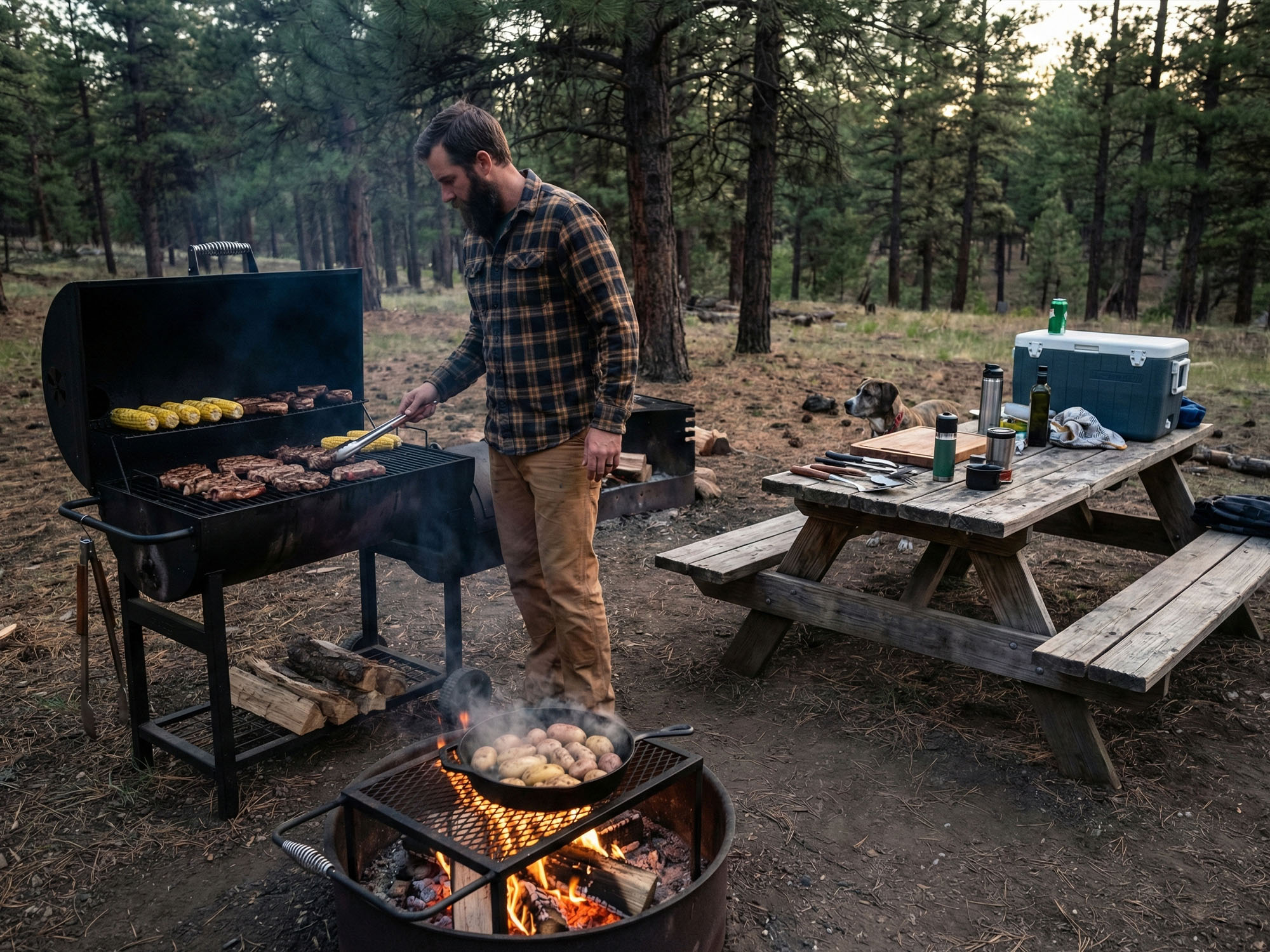
6. Spinach and Leafy Greens
Traditional Mediterranean and coastal diets emphasized olive oil, fish, and fermented foods—patterns long associated with vitality and endurance in men.
You don’t have to love salads to respect what leafy greens bring to the table.
Spinach contains magnesium, a mineral linked to higher testosterone levels, especially in active men. Magnesium supports muscle function, sleep quality, and nervous system balance.
Leafy greens also help regulate estrogen metabolism, keeping the hormonal environment more favorable for testosterone.
This isn’t about eating like a rabbit. Add spinach to eggs, soups, or sauté it with garlic and olive oil. Think utility, not ideology.
7. Garlic
Garlic doesn’t look impressive, but it works quietly in the background.
It contains allicin, a compound associated with reduced cortisol levels. Cortisol is a stress hormone that competes with testosterone. When cortisol stays elevated, testosterone often suffers.
Garlic also supports circulation and immune function. Men under chronic stress—work, training, responsibility—benefit from anything that lowers the background noise.
Used regularly, garlic helps create a hormonal environment where testosterone isn’t constantly pushed aside.
“Testosterone isn’t about aggression—it’s about readiness.”
8. Pomegranates
Pomegranates have a long history tied to vitality and endurance.
They are rich in antioxidants that support blood flow and reduce oxidative stress. Some studies associate pomegranate consumption with improved testosterone levels and mood markers in men.
Better circulation supports performance in the gym and the bedroom alike, while antioxidant support helps preserve hormone function over time.
Juice works, but whole seeds deliver fiber and slow digestion. Either way, moderation matters.
9. Nuts (Especially Brazil Nuts and Almonds)
Nuts are compact fuel—easy to overeat, but valuable in the right amounts.
Brazil nuts are rich in selenium, which supports testosterone production and sperm quality. Almonds provide magnesium and healthy fats that support hormone balance.
A small handful a day can support testosterone without tipping into excess calories. Think of nuts as equipment, not snacks.
10. Fermented Foods (Kefir, Yogurt, Sauerkraut)
Testosterone doesn’t exist in isolation. It’s influenced by gut health, inflammation, and nutrient absorption.
Fermented foods support beneficial gut bacteria, which help regulate hormones indirectly through improved digestion and reduced inflammation.
Men with healthier gut environments tend to absorb minerals like zinc and magnesium more efficiently—nutrients critical to testosterone.
You don’t need exotic options. Plain yogurt, kefir, or traditional sauerkraut work just fine.
Why Food Matters More Than Hype
Testosterone doesn’t spike because you tried harder. It responds when the body senses stability.
Crash diets, extreme restriction, and stimulant-driven lifestyles send the opposite signal. The body interprets them as threat, not opportunity.
Food that supports testosterone shares a few traits:
-
Adequate fats
-
Reliable protein
-
Key minerals
-
Low inflammatory load
When those needs are met consistently, testosterone has room to operate.
This is why many men feel stronger, calmer, and more focused when they stop chasing extremes and return to solid, traditional nutrition.
A Word on Restraint
More is not better.
Overeating—even of “healthy” foods—can undermine hormone balance just as easily as poor food choices. Testosterone favors rhythm: eat enough, train with purpose, rest fully.
The men who age best hormonally aren’t frantic optimizers. They’re steady providers who respect limits, value recovery, and don’t outsource discipline to supplements or slogans.
Common Questions About Testosterone & Nutrition
Closing Thoughts
Food won’t replace sleep. It won’t cancel stress. And it won’t turn back time.
But it does something more reliable: it supports the foundation.
The foods above don’t promise dominance or shortcuts. They offer durability. The kind that shows up in consistent energy, steady libido, and confidence that doesn’t swing wildly with circumstances.
Testosterone is less about aggression and more about readiness—the readiness to work, to protect, to lead, and to stay grounded while doing it.
Eat like a man who plans to be here for a while.
Disclaimer: The articles and information provided by Genital Size are for informational and educational purposes only. This content is not intended to be a substitute for professional medical advice, diagnosis, or treatment. Always seek the advice of your physician or another qualified health provider with any questions you may have regarding a medical condition.